
 1The Art of Racing in the Rain2019 · 109 min8.1
MoviesCounter
180 movies in nine charts of twenty, each with its place, its cast and a Watch now button.
The nine charts
Sports moviesNo. 1 The Art of Racing in the RainMusic and dance moviesNo. 1 CODABiography moviesNo. 1 TogoScience fiction moviesNo. 1 Jurassic ParkAdventure moviesNo. 1 Groundhog DayKids moviesNo. 1 WonderRomantic moviesNo. 1 Before SunriseComedy moviesNo. 1 The Breakfast ClubDrama moviesNo. 1 Rain Man
Sports movies
Full chart, 1 to 20 »1The Art of Racing in the Rain2019 · 109 min8.1 2King Richard2021 · 144 min7.6
 3The Sandlot1993 · 101 min7.6
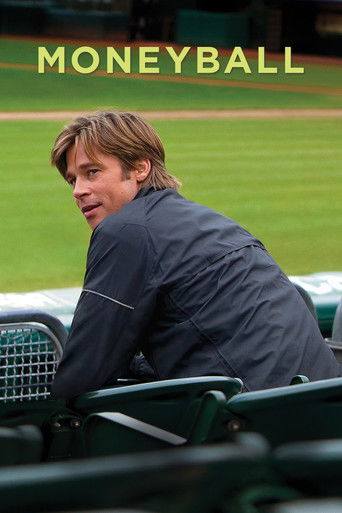 4Moneyball2011 · 134 min7.3
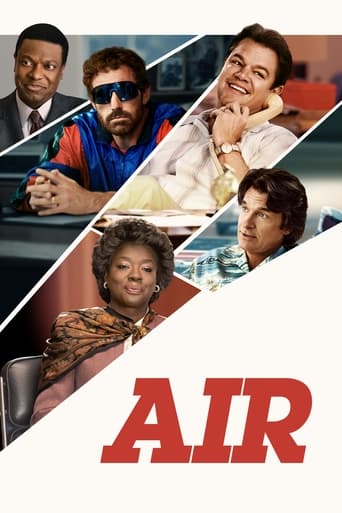 5Air2023 · 112 min7.3
Music and dance movies
Full chart, 1 to 20 »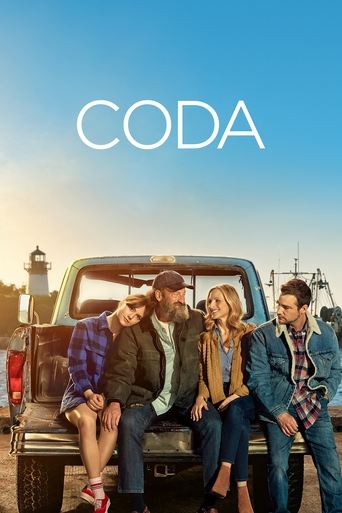 1
 2
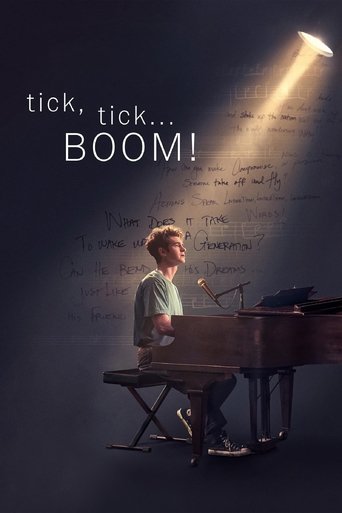 3
 4
 5
Biography movies
Full chart, 1 to 20 » 1
 2
 3
 4
 5
Science fiction movies
Full chart, 1 to 20 » 1
 2
 3
 4
 5
Adventure movies
Full chart, 1 to 20 »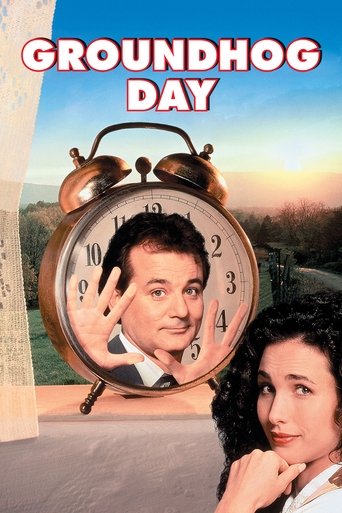 1
 2
 3
 4
 5
Kids movies
Full chart, 1 to 20 » 1
 2
 3
 4
 5
Romantic movies
Full chart, 1 to 20 » 1
 2
 3
 4
 5
Comedy movies
Full chart, 1 to 20 »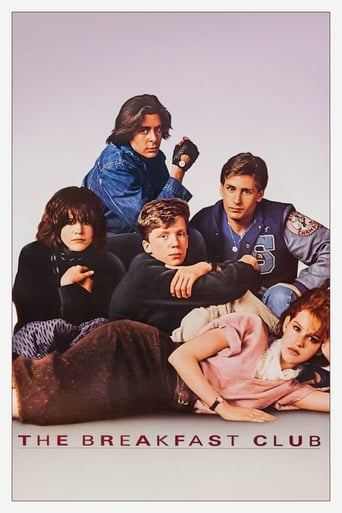 1
 2
 3
 4
 5
Drama movies
Full chart, 1 to 20 »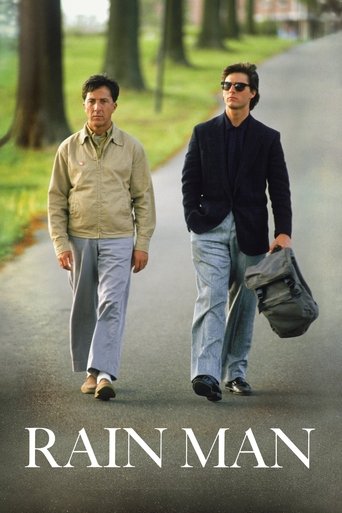 1
 2
 3
 4
 5
More lists
Number ones 18Top rated movies 33Before 2000 352000 to 2009 502010 to 2019 772020 to 2025 18
The MoviesCounter guide
MoviesCounter: nine charts counted from 1 to 20, from Jurassic Park, Wonder and Togo to Before Sunrise, The Breakfast Club and Rain Man
MoviesCounter is a guide that counts. It holds 180 movies in nine charts of twenty: sports, music and dance, biography, science fiction, adventure, kids, romantic, comedy and drama. Inside each chart the films are numbered from 1 to 20 in order of audience score, so every film has a place, and every chart has a number one. Each film also has a page of its own with the cast, a summary and a Watch now button. The films were made between 1981 and 2025 and run to about 325 hours in all.
A numbered chart is an old and friendly device. It turns a long shelf into a short question: what stands first, and what comes next? A reader with one free evening can take the number one of a favourite chart. A reader with a month can work down from 1 to 20 and form a view of whether the audience got the order right, which is half the fun.
All 180 films were screened by hand for a family audience, and each stands in a single chart, so the nine lists hold 180 different titles. This guide explains the page and the counting rule, goes through the nine charts in turn with their leading places, and closes with practical matters. The short version is on How to watch with MoviesCounter.
How MoviesCounter works
The page is cream with white cards, and its two colours are blue and orange. The header is white, with a logo made of two counter digits, a search box and the orange My Count button. Under it runs a blue menu bar reading Home, Charts, Number ones, Top rated, Movies by year and A-Z.
The home page opens with the name of the guide and a block of nine tiles, one per chart, each naming the film that currently stands at number one. Nine chart blocks follow. Each shows places 1 to 5 as white cards in a row, with a large orange number in the corner of the poster, and a link to the full chart. Under every poster are the title, the year, the running time and the score in a small blue box. A strip of further lists and this guide close the page.
A film page gives the title, tags for the year, the running time and the genres, the summary, the Watch now button and the list button. A panel beside them has a selector with fifteen countries; choose one, press the button, and JustWatch lists the subscription, rental, purchase and free services that carry the film there. A table of facts with the score and the number of ratings, the cast and the director complete the page. Finding a film covers the search box and the lists.
How the counting works
Three steps produce a chart. First, each film is assigned to one chart only. The charts are filled in a fixed order, the most particular first: sports, then music and dance, then biography, science fiction, adventure, kids, romantic, comedy and last drama. A film about a real baseball manager could sit under sports, biography or drama; it goes to sports, the first that fits, and leaves the later charts free for other films.
Second, each chart takes the twenty most widely rated films of its kind that passed the hand screening, with at least 150 ratings each. This keeps the charts to films that a large audience has actually seen and judged.
Third, the twenty are counted from 1 to 20 by TMDB audience score, shown to one decimal place. Where two films have the same score, the one with more ratings takes the higher place, on the reasoning that a score held against a larger crowd is the more firmly earned. The scores are refreshed whenever the catalogue is rebuilt, and places can change by a step or two when they are. How the counting works states the rule in brief.
The nine number ones
The Number ones list gathers the first and second film of every chart, eighteen in all, and is the quickest introduction to the guide. Three charts are led at 8.1. Wonder heads kids movies: a boy with a facial difference starts school at ten, and the film follows his year through the eyes of everyone around him. Togo heads biography: the sled dog who ran the longest leg of the 1925 serum relay across Alaska. The Art of Racing in the Rain, narrated by the dog of a racing driver, heads sports.
Two charts are led at 8.0: Jurassic Park in science fiction and Before Sunrise in romantic movies. CODA leads music and dance at 7.9. The Breakfast Club leads comedy and Rain Man drama, both at 7.7, and Groundhog Day leads adventure at 7.6.
The runners-up are as strong: King Richard, Sing Street, Lion, Back to the Future Part II, Jungle Cruise, Hachi: A Dog's Tale, Flipped, Little Miss Sunshine and Past Lives. In four of the nine charts the first two places share a score and are separated only by the number of ratings. The number ones page lists the eighteen.
Chart one: sports movies
The sports chart runs from motor racing to roller derby. At number one, The Art of Racing in the Rain tells the life of a driver through the eyes of his dog, Enzo, who has watched enough racing on television to hold firm opinions about it. At two, King Richard follows Richard Williams and the plan he wrote for his daughters Venus and Serena before they were born. At three, The Sandlot remembers a summer of neighbourhood baseball in 1962 and the dog on the other side of the fence.
Baseball returns at four with Moneyball, in which the manager of a poor club rebuilds his team by statistics, and at eight with Trouble with the Curve, where Clint Eastwood plays a scout who trusts his ears. At five, Air is the story of how a shoe company signed a young Michael Jordan. Eddie the Eagle and Cool Runnings, at six and seven, both end at the 1988 Winter Olympics in Calgary, one on the ski jump and one in a bobsled.
American football holds places nine, twelve and thirteen: Invincible, the true story of a bartender who won a place with the Philadelphia Eagles at an open trial, The Replacements, and Draft Day. Goal!, at ten, takes a young player from Los Angeles to Newcastle United, and Whip It, at eleven, takes a small-town Texas girl to the roller derby track.
The three High School Musical films stand together at fourteen to sixteen, High School Musical 2 and High School Musical 3: Senior Year following the first; their hero is the captain of the basketball team, and the conflict between the court and the stage drives all three. The Game Plan, Ice Princess, Wimbledon and Tooth Fairy complete the chart. The sports guide sorts the twenty by sport.
Chart two: music and dance movies
The second chart has the highest average of the lighter kinds, and its first two places share a score of 7.9. CODA takes first on the count of ratings: Ruby is the only hearing member of a deaf fishing family in Massachusetts, and she can sing. The film won the Academy Award for best picture. Sing Street, at two, is set in Dublin in 1985, where a schoolboy starts a band to impress a girl and discovers that he means it.
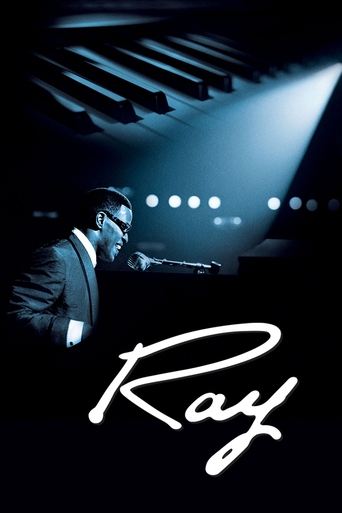
Places three to five and nine are lives of musicians: tick, tick... BOOM!, about the composer Jonathan Larson at thirty, Ray, with Jamie Foxx as Ray Charles, Elvis, and A Complete Unknown, on Bob Dylan's first years in New York. August Rush, at six, is a fable about a boy who hears music in everything.
The sing-along films follow. Mamma Mia! Here We Go Again stands at eight, two places above the original Mamma Mia!, a rare case of a sequel outscoring its parent. Pitch Perfect 2 and Pitch Perfect 3 are at eleven and seventeen, The Muppets at fifteen and Mary Poppins Returns at sixteen.
Dance fills the middle: Step Up 3D and Step Up All In at twelve and thirteen, and at fourteen the original Footloose of 1984, in which a city boy arrives in a town where dancing has been outlawed. Another Cinderella Story, Camp Rock, Music and Lyrics and Eurovision Song Contest: The Story of Fire Saga, a comedy about an Icelandic duo with large dreams, complete the twenty. The music and dance guide sorts the chart.
Chart three: biography movies
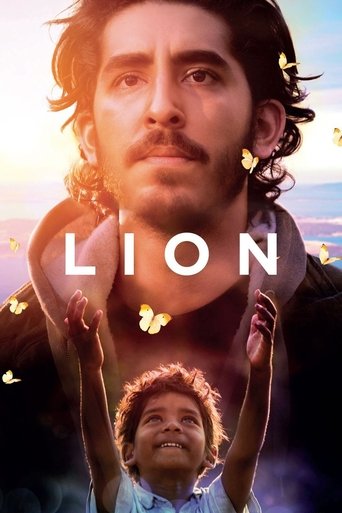
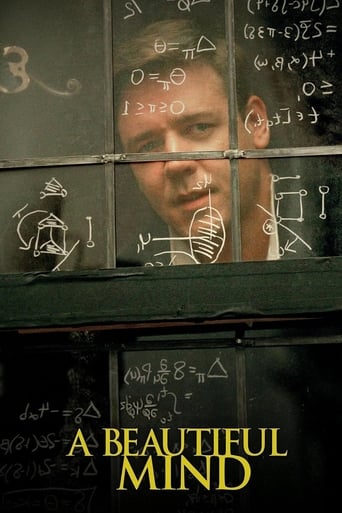
The biography chart has the highest average score of the nine, a little over 7.1, and five of its films stand at 7.5 or more. Togo is first. Lion, second at 8.0, follows a boy lost on a train in India who, as a grown man in Australia, searches for his village on satellite maps. A Beautiful Mind and The Boy Who Harnessed the Wind share 7.9 at three and four: the mathematician John Nash, and a Malawian schoolboy who built a windmill from scrap to water his family's fields. Selena, at five, has Jennifer Lopez as the Tejano singer.
The middle of the chart belongs to business. The Social Network, at six, tells of the founding of Facebook, The Founder, at eight, of the salesman who took over the McDonald brothers' restaurant, and Steve Jobs, Joy and Jobs follow lower down. The Terminal, at seven, was suggested by the case of a traveller who lived for years in a Paris airport.
The Man Who Knew Infinity is about the mathematician Ramanujan, and The Young Victoria about the first years of the queen's reign, with Emily Blunt. The artists come next: Big Eyes, on the painter Margaret Keane, Stan & Ollie, on the last tour of Laurel and Hardy, Florence Foster Jenkins and Hitchcock. The Upside, We Bought a Zoo and The 33, on the rescue of the Chilean miners, complete the twenty. The biography guide sorts the chart.
Chart four: science fiction movies
The science fiction chart is the most widely spread in date, from 1981 to 2025, and in score, from 8.0 down to 5.3. It is also the one in which family screening shows most clearly: the darker classics of the genre belong to other guides, and what remains is science fiction as adventure and comedy.
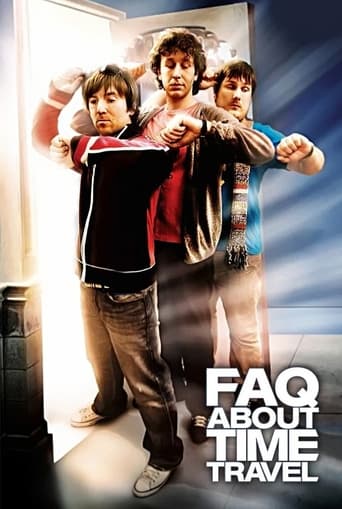
Jurassic Park is first by a clear margin, and it is the most widely rated film in the whole guide. Back to the Future Part II is second at 7.8, with its flying cars and its hoverboard chase through the town square of 2015. Third, at 7.3, is a small surprise, Status Update, in which a teenager finds an app that makes whatever he posts come true. In Your Eyes, at four, links two strangers who can see through each other's eyes, and Frequently Asked Questions About Time Travel, at five, begins with three friends in an English pub.
Time travel is the chart's favourite idea. Bill & Ted's Excellent Adventure, at seven, sends two cheerful Californian schoolboys through history in a telephone box to collect witnesses for a class presentation, and Bill & Ted Face the Music finds them thirty years on. Time Bandits, at nine, is Terry Gilliam's tale of a boy carried off by six dwarfs with a stolen map of the holes in time. Forever Young freezes a test pilot in 1939 and wakes him in 1992.
Size is the other. Innerspace, at eight, shrinks a pilot and injects him into a nervous supermarket clerk, and Honey, I Blew Up the Kid and Honey, We Shrunk Ourselves continue a well-loved family series. Multiplicity copies Michael Keaton three times, and Flubber gives Robin Williams a substance with a mind of its own. In space there are Star Trek Beyond and Lost in Space; underground and at sea, Journey to the Center of the Earth and Journey 2: The Mysterious Island. TRON: Ares and the quiet, thoughtful After Yang are the most recent. The science fiction guide sorts the chart.
Chart five: adventure movies
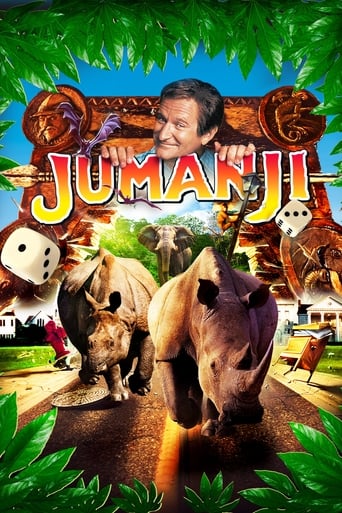
The adventure chart takes in fantasy as well, which is how Groundhog Day comes to stand first. A weatherman sent to cover a small-town festival wakes to find the same day beginning again, and again; what he does with an endless supply of second chances has made the film a reference point far beyond the cinema. Jungle Cruise, at two, is a river adventure in the old manner, and Jumanji, at three, lets a board game loose in a quiet house.
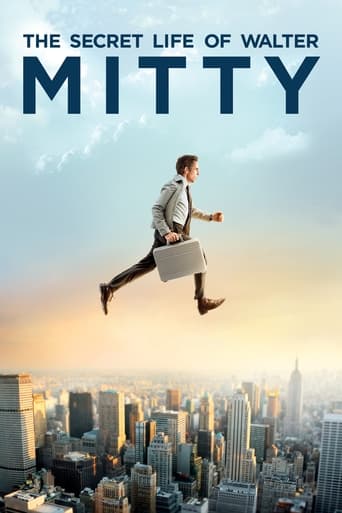
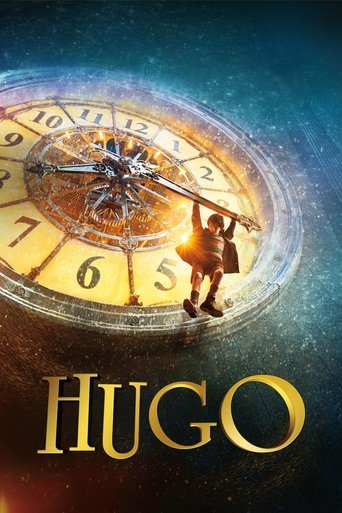
Four films share 7.2 in places three to six, ordered by their ratings: Jumanji, The Secret Life of Walter Mitty, Hugo and Big. The last three have a good deal in common. Each is about a person who steps out of an ordinary life, a magazine archivist, an orphan in a railway station, a boy of twelve, into something larger, and each treats wonder as a serious matter.
Paddington is seventh at 7.1. The sequel Jumanji: The Next Level, The Jungle Book and The Fall Guy share 6.9, and Home Alone 2: Lost in New York and Cinderella share 6.8. Three comedies built on a wish stand close together: Liar Liar at thirteen, Elf at fourteen and 17 Again at eighteen. Dumbo, Dolittle, The Chronicles of Narnia: The Voyage of the Dawn Treader, Night at the Museum: Secret of the Tomb and The Golden Compass fill the remaining places. The adventure guide sorts the chart.
Chart six: kids movies
The kids chart holds the films marked for family viewing that the earlier charts had left free, and dogs take three of its first six places. After Wonder comes Hachi: A Dog's Tale at 8.0, the story of the Akita who waited every evening at a railway station for a master who had died; it is the one film in the guide that is certain to empty a box of tissues. A Dog's Purpose is third and Marley & Me sixth.
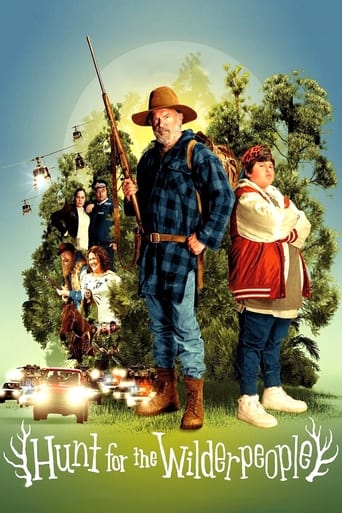
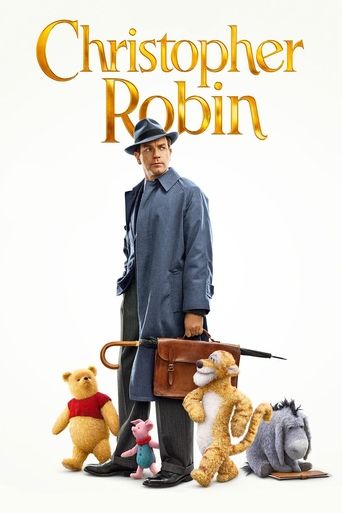
Hunt for the Wilderpeople, at four, sends a foster boy and his gruff guardian on the run through the New Zealand bush, and is as funny for adults as for children. Christopher Robin, at five, brings Pooh to post-war London, and The Christmas Chronicles, at seven, puts two children in Santa's sleigh. The Princess Diaries 2: Royal Engagement and A Cinderella Story follow.
Rowan Atkinson holds places ten and eleven with Bean and Mr. Bean's Holiday. Pete's Dragon and The BFG are two gentle giants of 2016. The lower half is given to broad family comedy: Cheaper by the Dozen, Jingle All the Way, Mr. Popper's Penguins, Stuart Little 2, Doctor Dolittle, Garfield: A Tail of Two Kitties and The Flintstones. A place near the foot of a chart is still a place among the twenty most widely seen films of its kind, and several of these have been watched more often in family homes than anything above them. The kids guide sorts the chart.
Chart seven: romantic movies
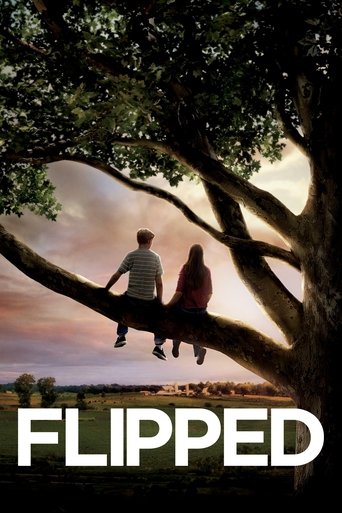
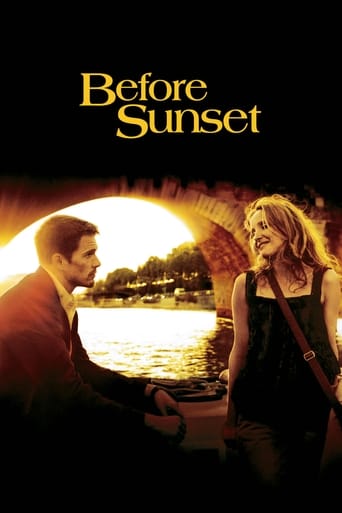
The romantic chart is the strongest at the top: six of its films score 7.5 or more, the most of any chart. First and second share 8.0. Before Sunrise takes first: an American and a French student meet on a train, get off together in Vienna and talk until morning. Flipped, second, tells the same childhood romance twice, once from the boy's side of the street and once from the girl's. Before Sunset, third at 7.8, returns to the first couple nine years later in Paris, in real time.
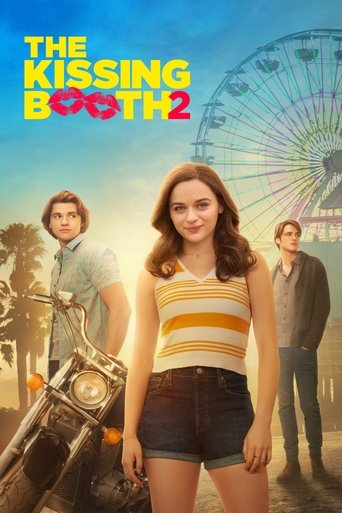
Three films share 7.6 in places four to six: To All the Boys I've Loved Before, in which a schoolgirl's secret letters are posted, The Kissing Booth 2 and The Longest Ride. One Day is seventh, and Notting Hill eighth at 7.3, with Julia Roberts as a film star and Hugh Grant as the bookseller she meets. The Kissing Booth and Everything, Everything share 7.2.
The second half is the grown-up half. The Holiday, at eleven, swaps a cottage in Surrey for a house in Los Angeles. Crazy Rich Asians, at twelve, takes a New York professor to meet her boyfriend's family in Singapore. Up in the Air and Life As We Know It share 6.9, and Four Weddings and a Funeral stands at fifteen. Weddings fill the next places, with My Best Friend's Wedding, 27 Dresses and Bride Wars, and The Perfect Date and Valentine's Day close the chart. The romantic guide sorts the twenty.
Chart eight: comedy movies
By the time the count reaches comedy, the sports comedies, musical comedies and romantic comedies have found places elsewhere, and what is left is comedy of character. Two films share 7.7 at the top. The Breakfast Club is first: five pupils, a Saturday detention and a school library, written and directed by John Hughes. Little Miss Sunshine is second: a family that agrees on very little drives a failing yellow van eight hundred miles so that its youngest member can enter a pageant. Hughes's Ferris Bueller's Day Off is third at 7.6.
The two sequels to a streaming favourite stand at four and eight: To All the Boys: Always and Forever and To All the Boys: P.S. I Still Love You. National Lampoon's Christmas Vacation is fifth, and Chef, at six, follows a cook who trades a famous kitchen for a food truck. Serendipity, at seven, lets two strangers leave their future to chance in a New York department store.
About a Boy and What If share 6.7, and My Big Fat Greek Wedding, one of the most profitable small films ever made, stands at twelve. The family comedies follow: Daddy's Home and Daddy's Home 2, Cheaper by the Dozen 2, Daddy Day Care and Beethoven. Monte Carlo, Runaway Bride, Maid in Manhattan and To Rome with Love complete the twenty. The comedy guide sorts the chart.
Chart nine: drama movies
The last chart is filled from what the first eight have left, and it is the better for it: these are dramas that are simply dramas. Rain Man and Past Lives share first and second place at 7.7, thirty-five years apart. In the first, a young car dealer drives across America with the autistic brother he has only just learned he has. In the second, two childhood friends from Seoul meet again in New York after twenty-four years and consider the lives they might have had.
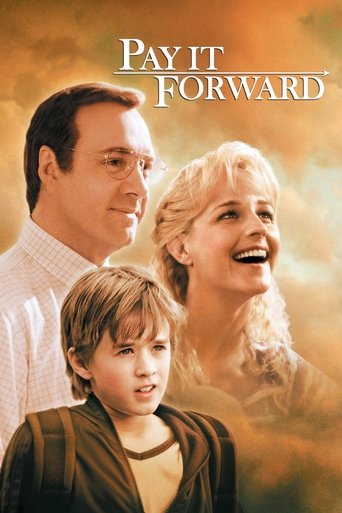
I Am Sam is third and The Best of Me fourth. Fifth and sixth share 7.4: Pay It Forward, about a schoolboy's plan to change the world three good turns at a time, and The Peanut Butter Falcon, in which a young man with Down syndrome escapes a care home to become a wrestler. The Hundred-Foot Journey, at seven, sets an Indian family's restaurant opposite a grand French one.
Downton Abbey, the cinema continuation of the series, is eighth. The Way Way Back, Belfast, Kenneth Branagh's memory of his childhood street in 1969, and The Odd Life of Timothy Green follow at 7.1 and 7.0. The second half holds Water for Elephants, Julie & Julia, Phenomenon, The Sisterhood of the Traveling Pants, Morning Glory, Tall Girl, What a Girl Wants, Eat Pray Love and Four Christmases. The drama guide sorts the twenty.
The charts compared
Set side by side, the nine charts show how differently audiences mark different kinds of film. Biography has the highest average score, a little over 7.1, with romance just behind at 7.1 and music and dance at 7.0. Drama averages 6.9, sports and adventure a shade under it, comedy 6.7 and kids 6.6. Science fiction is lowest at about 6.5.
The spread has a plain explanation. True stories and love stories are chosen by people who want exactly that, and such viewers are generous. Broad comedy and family adventure are watched by whole households at once, in which someone is always less amused than the rest, and their scores settle lower. A 6.5 in the kids chart and a 7.2 in the biography chart may represent much the same degree of pleasure among the people the film was made for.
That is the case for counting within a kind and against one single list. The Top rated list does mix the charts, for those who want it: thirty-three films score 7.5 or more, six of them romantic, five biographical, four each from music and dance, kids, comedy and drama, three from sports, two from science fiction and one from adventure. A reader who uses only that list will see a great many true stories and very little slapstick, which is a fair picture of how scores behave and a poor guide to a Saturday afternoon with children.
How to read a place
A place in a chart says two things at once. It says that the film is among the twenty most widely rated of its kind, which is a measure of how many people have seen it, and it says where its score falls among those twenty, which is a measure of how much they liked it. The two do move apart. Jurassic Park is first on both counts. The Flintstones, at twenty in the kids chart, has been seen by a very large audience that liked it only moderately; Status Update, at three in science fiction, by a much smaller one that liked it a good deal.
The number of ratings is given on each film page beside the score, and it is worth a glance when two films stand close together. A difference of one tenth of a point between neighbours is too small to feel in the watching, and where the scores are equal the order is settled by the count of ratings alone. Five places, on the other hand, usually mean a real difference in how the film was received.
Places also move. When the catalogue is rebuilt with fresh figures, a recent film whose score is still settling may rise or fall, and now and then a new release enters a chart and pushes the twentieth film out. The older films hold their places almost exactly from one rebuild to the next.
Movies by year
The reference site that gave this guide its look had a long Movies by year menu, and the guide keeps the idea as four period lists. Thirty-five films were made before 2000. The oldest is Time Bandits, from 1981, followed by Footloose, The Breakfast Club, Ferris Bueller's Day Off, Innerspace, Big and Rain Man in the 1980s. The 1990s supply Jurassic Park, Groundhog Day, The Sandlot, Cool Runnings, Before Sunrise, Jumanji and Notting Hill, among others.
Fifty films date from 2000 to 2009, a decade strong in romantic comedy and family comedy, and seventy-seven from 2010 to 2019, the largest group. The busiest single year is 2016, with eleven films, among them Lion, Sing Street, Hunt for the Wilderpeople, The Jungle Book and Eddie the Eagle. Eighteen films come from 2020 to 2025: CODA, King Richard, Past Lives, Air, Belfast, A Complete Unknown and The Fall Guy are the best known.
The four lists are ordered by score, highest first, and each poster carries its figure in the blue box, so a reader can compare a year's films across all nine kinds at once. The movies by year page gives the outline.
Faces that turn up in several charts
A film stands in one chart only, yet actors are free to wander, and following one across the charts is a pleasant way to use the search box. Julia Roberts appears in five films spread over three charts: Notting Hill, My Best Friend's Wedding and Valentine's Day in romantic movies, Runaway Bride in comedy and Eat Pray Love in drama. Hugh Grant also has five, in four charts: Notting Hill and Four Weddings and a Funeral, About a Boy, Music and Lyrics and Florence Foster Jenkins.
Dwayne Johnson's five are all on the active side of the guide: Jungle Cruise and Jumanji: The Next Level in adventure, Journey 2: The Mysterious Island in science fiction, and The Game Plan and Tooth Fairy in sports, where he plays a quarterback and an ice hockey player. Emily Blunt is in Jungle Cruise, The Fall Guy, Mary Poppins Returns and The Young Victoria, four films in three charts. Will Ferrell leads Elf, both Daddy's Home films and the Eurovision comedy.
Tom Hanks is the wide-eyed boy of Big and the stranded traveller of The Terminal. Robin Williams is in Jumanji, Flubber and Night at the Museum: Secret of the Tomb. Bill Murray leads Groundhog Day and gives his voice to Baloo in The Jungle Book and to the cat in the Garfield sequel. Zac Efron and Vanessa Hudgens carry the three High School Musical films, and he returns in 17 Again.
Directors recur as well. Steven Spielberg made Jurassic Park, The Terminal and The BFG, which stand in three different charts. Jon Favreau directed Elf, Chef and The Jungle Book, also in three. Lasse Hallström made Hachi: A Dog's Tale, A Dog's Purpose and The Hundred-Foot Journey, and Garry Marshall Runaway Bride, The Princess Diaries 2: Royal Engagement and Valentine's Day. Kenny Ortega directed all three High School Musical films, and Richard Linklater both of the Before films.
Sequels in the count
Charts are a fair test of the old question whether a sequel can equal its original, since both are counted by the same rule. The evidence in this guide is mixed. Mamma Mia! Here We Go Again outscores Mamma Mia! by a tenth. Before Sunset stands two tenths under Before Sunrise, which at that height is as good as level. The three High School Musical films are tied at 6.5, and the two Daddy's Home films at 6.3.
Elsewhere the original keeps a lead. Jumanji of 1995 stands five places above Jumanji: The Next Level; Bill & Ted's Excellent Adventure eight places above Bill & Ted Face the Music; The Kissing Booth is the exception that runs the other way, four tenths under its own sequel. Cheaper by the Dozen and Cheaper by the Dozen 2 are a tenth apart and happen to sit in different charts, kids and comedy.
Several famous originals are absent because the sequels alone fell inside the guide's range: Back to the Future Part II, Home Alone 2: Lost in New York, Stuart Little 2 and The Princess Diaries 2: Royal Engagement all stand here for a pair or a series, and each works perfectly well for a viewer who has yet to see the first.
Working down a chart
There are three good ways to use a chart of twenty. The first is to take the top five, which the home page shows for every chart. Five films is a comfortable fortnight, and the first five of any chart here make a strong programme: in sports, for example, a racing film, a tennis film, two baseball films and a basketball story, with three true stories among them.
The second is to work down the whole chart from 1 to 20 over a couple of months. The interest of this lies in the middle places, where the well-known and the half-forgotten sit side by side. Few people would think to watch Invincible, Goal! and Whip It in a row, and they make a better week than their places suggest. The same is true of Innerspace, Time Bandits and Forever Young in science fiction, three films of the 1980s and early 1990s made with models, sets and optimism.
The third is to read a chart upwards, starting at twenty. Children enjoy this greatly, since the kids chart begins with The Flintstones and Garfield and climbs by way of penguins, Mr. Bean and a dragon to the films that grown-ups admire. A countdown gives an ordinary week of family viewing the shape of a competition, and the final evening, with the number one, becomes an occasion.
Whichever way is chosen, the My Count list is the place to keep score. Add the chart's films as you go and remove each one when it has been seen, and the list will always show how far there is still to count.
Choosing by length
The running time is printed under every poster beside the year. The films average an hour and forty-nine minutes. The shortest is Honey, We Shrunk Ourselves at seventy-four minutes, followed by Stuart Little 2 at seventy-eight, Before Sunset at eighty and Frequently Asked Questions About Time Travel at eighty-three. The kids and science fiction charts are the shortest on average, as family films tend to be.
The longest are the lives of musicians: Elvis at 159 minutes, Ray at 152 and A Complete Unknown at 141, with King Richard at 144 from the sports chart. A biography needs room, and the music and biography charts are the ones to choose from when the evening is long.
Nine evenings, one from each chart
For a reader who wants a single pick from each chart that is other than its number one, here is a run of nine. From sports, The Sandlot, which is a pleasure for viewers who are strangers to baseball. From music and dance, Sing Street. From biography, The Boy Who Harnessed the Wind. From science fiction, Innerspace, for the pleasure of its invention.
From adventure, Hugo. From kids, Hunt for the Wilderpeople. From romantic movies, Flipped. From comedy, Chef, best seen with supper close at hand. And from drama, The Peanut Butter Falcon. Nine films from nine kinds, with three different decades among them, and an average place of about four.
My Count
My Count is the list each visitor keeps. The list button beside Watch now on a film page adds the film, and the orange My Count button in the header opens the list from any page. The list is stored in the browser on the device in use, so it is ready from the first visit and works free of any sign-up form, with name and address left unasked. The list page can save it as a file, which is the way to move it to another device.
The name is meant literally. A list of films waiting to be seen is a count of evenings to look forward to, and it is most useful when it stays short enough to finish. Twenty, the length of one chart, is a sensible ceiling. The My Count page gives the steps.
Where the films play
MoviesCounter is a guide, and the films themselves are held by the streaming services and digital stores. The Watch now button passes the title and the chosen country to JustWatch, which records each day what every service offers. The fifteen countries in the selector include the United States, the United Kingdom, Canada, Australia, Ireland, New Zealand, India, Pakistan and South Africa.
Because every film in the charts has a large audience, all of them are easy to find. Nearly every one can be rented or bought in the large digital stores, most sit in at least one subscription catalogue, and the films made for streaming, such as Togo, CODA and the To All the Boys series, stay with the services that produced them. Availability differs from country to country and changes as agreements are renewed, so the answer shown is always the one for today.
The Charts page
The Charts link in the blue menu opens a page with every list in the guide: the nine charts, the Number ones, the Top rated list and the four periods. Each entry carries a line saying what it holds. A chart's own page displays all twenty posters in order, each with its orange number and its score in the blue box, and the home page remains the place to see the first five of every chart side by side.
The page is also the quickest way to compare kinds. Open the romantic chart and the comedy chart in turn and the difference in their upper scores is visible at a glance, as is the way a single outstanding film, Jurassic Park in science fiction or Groundhog Day in adventure, can stand well clear of the nineteen below it. Readers who enjoy that sort of comparison will find the Top rated list a useful third view, since it sets the leaders of all nine kinds in one line.
Threads that cross the charts
Because a film may stand in one chart only, some subjects end up scattered across several, and it is worth gathering them again. Dogs are the clearest case. The Art of Racing in the Rain leads sports and Togo leads biography, while Hachi: A Dog's Tale, A Dog's Purpose and Marley & Me stand second, third and sixth in kids, and Beethoven sits in comedy. Six dog films, four charts, and two number ones: the audience's affection is plain enough.
Christmas is another. Elf and Home Alone 2: Lost in New York are in adventure, The Christmas Chronicles and Jingle All the Way in kids, National Lampoon's Christmas Vacation in comedy, The Holiday in romantic movies and Four Christmases in drama. A household that keeps a December tradition can draw a whole month from them.
School runs through the guide as well: the detention of The Breakfast Club, the truancy of Ferris Bueller's Day Off, the musicals of East High, the band of Sing Street, the first term of Wonder and the choir of CODA. So does cooking, in Chef, The Hundred-Foot Journey and Julie & Julia, and so does the long drive, in Rain Man, Little Miss Sunshine and The Peanut Butter Falcon, which travels by raft where the others go by road.
Britain supplies a thread of its own, with Notting Hill, Four Weddings and a Funeral, One Day, About a Boy, Paddington, the two Bean films, Stan & Ollie, The Young Victoria, Belfast and Downton Abbey spread over six charts. The search box and the A-Z index are the tools for this kind of gathering, and My Count is the place to keep the result.
Is the count fair?
Any chart invites the objection that the order is wrong, and a guide that counts should say how much weight its numbers will carry. They carry this much: each score is the average of at least 150 ratings, and for most films of several thousand, given freely by people who chose to watch. Taken across twenty films of one kind, such averages sort the widely loved from the merely popular with fair reliability.
They carry less weight in three situations. A very recent film is rated first by its keenest admirers, and its score usually eases down over a year or two. A film made for children is rated mostly by adults, some of whom sat through it on someone else's account. And a film with a devoted following, a teen romance or a concert story, may hold a score that a general audience would trim. The guide leaves all such scores as they stand and trusts the reader to weigh them.
The best check is the oldest one: watch the film. Readers who work down a chart nearly always finish with an order of their own, and the differences are the interesting part. A film at fourteen that one household would place at two has been found, which is what a chart is for.
It may help to know which places the editors would argue with. Big at sixth in adventure and Chef at sixth in comedy both seem low to us, and About a Boy at tenth lower still. Innerspace deserves better than eighth, and The Way Way Back better than ninth. On the other side, the romantic chart's upper places are crowded with recent teen romances whose scores owe something to the enthusiasm of their first audiences. The count stays as the figures give it; the opinions are offered as company for the reader's own.
Questions and answers
Questions
What is MoviesCounter?
MoviesCounter is a guide to 180 movies in nine numbered charts of twenty. Each film has a place in one chart and a page with its cast, a summary and a Watch now button.
Which charts are there?
Nine: sports, music and dance, biography, science fiction, adventure, kids, romantic, comedy and drama movies.
How are the places decided?
Each chart takes the twenty most widely rated films of its kind and counts them from 1 to 20 by TMDB audience score. Equal scores are ordered by the number of ratings.
Can a film be in two charts?
Each film stands in one chart only. The charts are filled in a fixed order, so a sports biography is counted under sports.
Does MoviesCounter host the movies?
MoviesCounter is a guide only. Watch now opens JustWatch for the country you choose, which lists the subscription, rental, purchase and free services carrying the film.
Which films are number one?
The Art of Racing in the Rain, CODA, Togo, Jurassic Park, Groundhog Day, Wonder, Before Sunrise, The Breakfast Club and Rain Man.
Which chart has the highest scores?
Biography has the highest average, a little over 7.1, and the romantic chart has the most films at 7.5 or more, with six.
Is the guide suitable for families?
Yes. Every film was screened by hand, and the kids chart gathers twenty chosen for the whole household, from Wonder and Hachi: A Dog's Tale to Christopher Robin.
What is My Count?
My Count is a personal list kept in the browser. A button on each film page adds or removes the film, and the orange button in the header opens the list.
Is an account needed?
The whole guide is open to every visitor. Search, the nine charts and My Count all work from the first visit.
How do I find a film quickly?
Type part of its name, an actor or a year in the search box, open a chart from the Charts page, or use the A-Z index.
Do the places change?
Scores are refreshed when the catalogue is rebuilt, and a place can move by a step or two. Older films hold their places almost exactly.
